DRAW β€’ CREATE β€’ LEARN

Where Art Meets
Pure Passion

"Every line you draw is a step toward finding your own voice. Art isn't just about perfection; it's about translating your imagination into reality, one stroke at a time."

DOWNLOAD APP
AYART
STUDIO
DRAW
LEARN
CREATE
SYSTEMS

FEATURED ART MODULES

Click any card to enter the learning portal

01

Beginner Drawing

Master fundamental line metrics, baseline structural symmetry, and standard geometric form maps.

OPEN PORTAL
02

Daily Practice

Learn core bone alignments, dynamic gesture rendering, and kinetic profile proportions.

OPEN PORTAL
03

Shading Master

Master lights, depth, and smooth continuous gradient shading mechanics under ambient matrices.

OPEN PORTAL
04

Colour Pencil

Blend vibrant layout pigments, micro tonal changes, and rich hyper-realistic artwork depths.

OPEN PORTAL
05

Fight Anime Art

Design extreme battle poses, energetic perspective angles, and dynamic manga action lines.

OPEN PORTAL

🎨 Kids Beginner Drawing Guide ✏️

πŸš€ 1. Choose Your Magic Tools!

Start with a lightweight HB or 2B graphite pencil. Do not use dark pencils like 4B or 6B in the beginning. Hold your pencil further back from the tip to maintain flexible pressure controls. This prevents harsh, permanent paper marks that are difficult to erase later.

β­• 2. The Shape Spy Game

Analyze organic objects around you and isolate their base patterns. Look at a cup or an apple and break down these complex visual items into simple geometric shapes like spheres, ovals, triangles, and rectangular bounding frames before adding any realistic detailing.

✏️ 3. Draw Loose & Free Lines

Initiate strokes from your elbow and shoulder joints instead of locking your fingers or wrist tight. This gives your hand more freedom. Practice sweeping ghost strokes over the paper surface without touching it first to build smooth muscle memory curves.

πŸ“ 4. Connecting Structural Nodes

Gradually unify your initial layout circles and foundational primitives with structured contour lines. Connect the light shapes together to form a solid, proportionate physical skeleton layout of your drawing before moving to shading.

✨ 5. Add Advanced Details

Incorporate final features, surface textures, and scenic elements to bring your artwork to life. Once you are done, cleanly erase your primary temporary construction guidelines with a soft eraser to reveal your clean, finished artwork overlay.
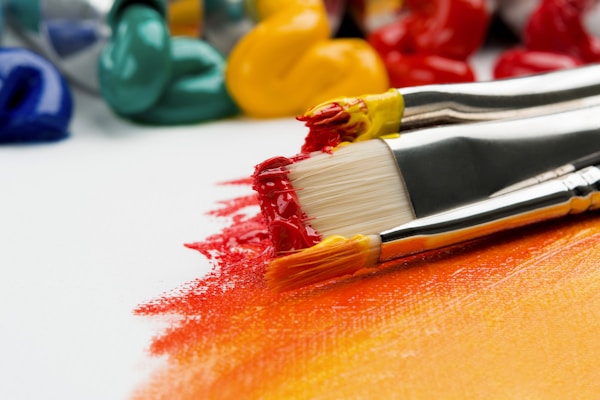
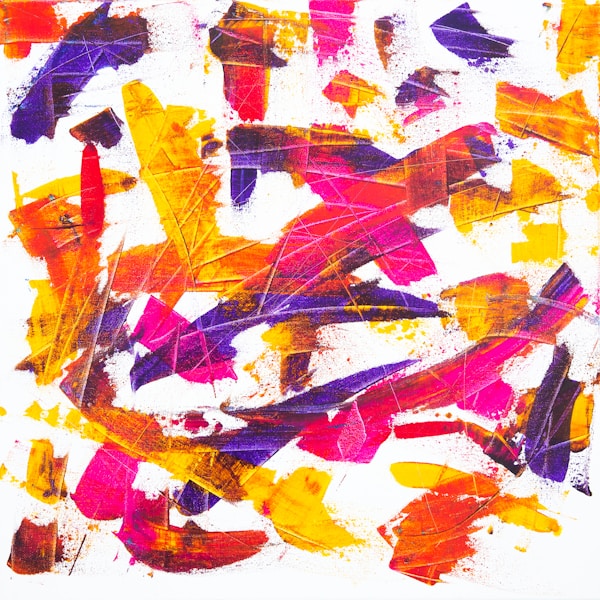
Beginner Art

πŸ“Š Daily Practice Tracker Framework ⏱️

🧠 1. Muscle Memory Warmup

Spend 10 minutes drawing fast, continuous parallel lines and freehand ellipses on a rough sheet. This activates your wrist and shoulder muscles, improves line confidence, and removes stiffness before you start your main drawing project.

πŸ“ 2. Gesture & Axis Mapping

Execute rapid 30-second quick sketches of real objects to establish organic weight distributions, action lines, and basic balance. Do not focus on details here; just capture the overall flow, direction, and posture of the subject.

πŸ‘οΈ 3. Blind Contour Calibration

Trace the outer limits and edges of local items around you without looking down at your paper canvas. This specialized hand-eye coordination exercise trains your brain to draw what you actually see, rather than what you imagine.

πŸ“¦ 4. 3D Volumetric Extrusion

Transform uniform 2D boxes, circles, and flat planes into deep 3D dimensional projections using clear perspective guidelines. Practice turning a simple square into a cube, and a circle into a sphere to master depth control.

πŸ“ 5. Daily Progress Review

Document and save each practice sheet inside an organized archive folder to track your line density transitions and structural growth over time. Comparing your day 1 sketch with day 30 will give you a massive boost confidence.

Sketch Practice

✏️ Shading Master Matrix Data 🌟

πŸ“‰ 1. Smooth Tone Gradients

Practice controlling pressure to create a seamless transition from deep dark tones to bright highlights. Use a soft 4B or 6B pencil and apply minimal pressure as you move outward to create a flawless 3D realistic gradient effect.

✍️ 2. Hatching and Cross-Hatching

Master the art of drawing parallel lines (hatching) and criss-cross patterns (cross-hatching) to build texture and value. Keeping lines closer creates dense shadow fields, while wider spacing represents bright surfaces reflecting ambient light.

πŸŒͺ️ 3. Smudging & Blending Tools

Learn the correct way to use paper blending stumps or tortillons to smooth out rough graphite grains. Avoid using your bare fingers, as natural skin oils can leave permanent smudges and stains that ruin your finished drawing surface.

πŸ’‘ 4. Cast Shadows vs Form Shadows

Understand the critical difference between the soft shadow on the object itself (form shadow) and the sharp dark profile it drops on the ground (cast shadow). Mastering this logic brings depth and professional realism into your artwork sketches.

✨ 5. Highlight Extraction

Utilize a precise kneaded eraser or a battery-operated eraser pen to carve out bright light reflections from dark shaded areas. Adding these crisp specular highlights to eyes, wet lips, or metallic objects makes them instantly pop out.

Shading Techniques

🎨 Colour Pencil Pigment Matrix

πŸ₯š 1. Primary Underpainting Layer

Master the foundational techniques of wax-based and oil-based colored pencils. Learn how to select the right paper tooth and density to ensure your pigments grip the surface perfectly, allowing for multiple layers of professional blending without any tearing.

🍷 2. Analogous Tonal Shading

Dive deep into advanced color theory and dynamic values. This section teaches you how to map out complementary undertones, manage highlights, and use cool shadow shades like dark indigos and deep violets to make your portraits look incredibly realistic.

🌑️ 3. Temperature Balance Shift

Learn the secret industrial method of heavy pigment burnishing. Discover how to use a specialized colorless blender pencil or a pure white pigment core to fuse all your individual sketch layers together, leaving a smooth, paint-like premium satin texture.

πŸ’‘ 4. Burnishing Solidification

Understand directional stroke mechanics for organic textures. Practice micro-circular continuous movements and cross-contour lines to draw realistic human skin tones, animal fur, glossy fruits, and metallic reflections without creating distracting rough scratches.

πŸ”ͺ 5. Sharp Detail Definition

Discover professional preservation and clean-up workflows. Learn how to apply a final fixative spray to protect your colored pencil artwork from wax bloom, moisture damage, and UV fading, keeping your portfolio clean and safe for years to come.

Colors

πŸ’₯ Fight Anime Action Sequence Engine

⚑ 1. Extreme Action Lines

Establish the primary dynamic line of action to map out the intense energy flow between both characters. Sketch rough stick-figure skeletons to capture high-speed martial arts poses, explosive mid-air kicks, and tactical body tilts before focusing on any character anatomy.

πŸŽ₯ 2. Forced Perspective Maps

Implement extreme fish-eye lens perspective lines and dramatic low-angle bounding frames to make the action look highly cinematic. Exaggerate the size of the forward fist or extended weapon to create an authentic shonen-style depth perception that breaks the canvas grid.

πŸ’¨ 3. Kinetic Speed Vectors

Draw intense impact debris, exploding concrete fragments, and jagged energy shockwaves radiating outward from the main clash zone. This structural environmental damage is critical to visually communicating the immense, supernatural power behind each fighter's strike.

🎭 4. High-Stall Expression Cuts

Incorporate sharp, continuous motion lines and sweeping wind friction streaks behind the characters to simulate unbelievable speed. Ensure these background tracking vectors converge directly toward the focal point of impact to guide the viewer’s eye seamlessly through the frame.

🌌 5. Composition Framing Borders

Incorporate off-axis debris shapes and dynamic environment breaks to build depth across your action layout scene panels.

Manga Layout